
Projects
Supporting scientific research and education focusing on conservation
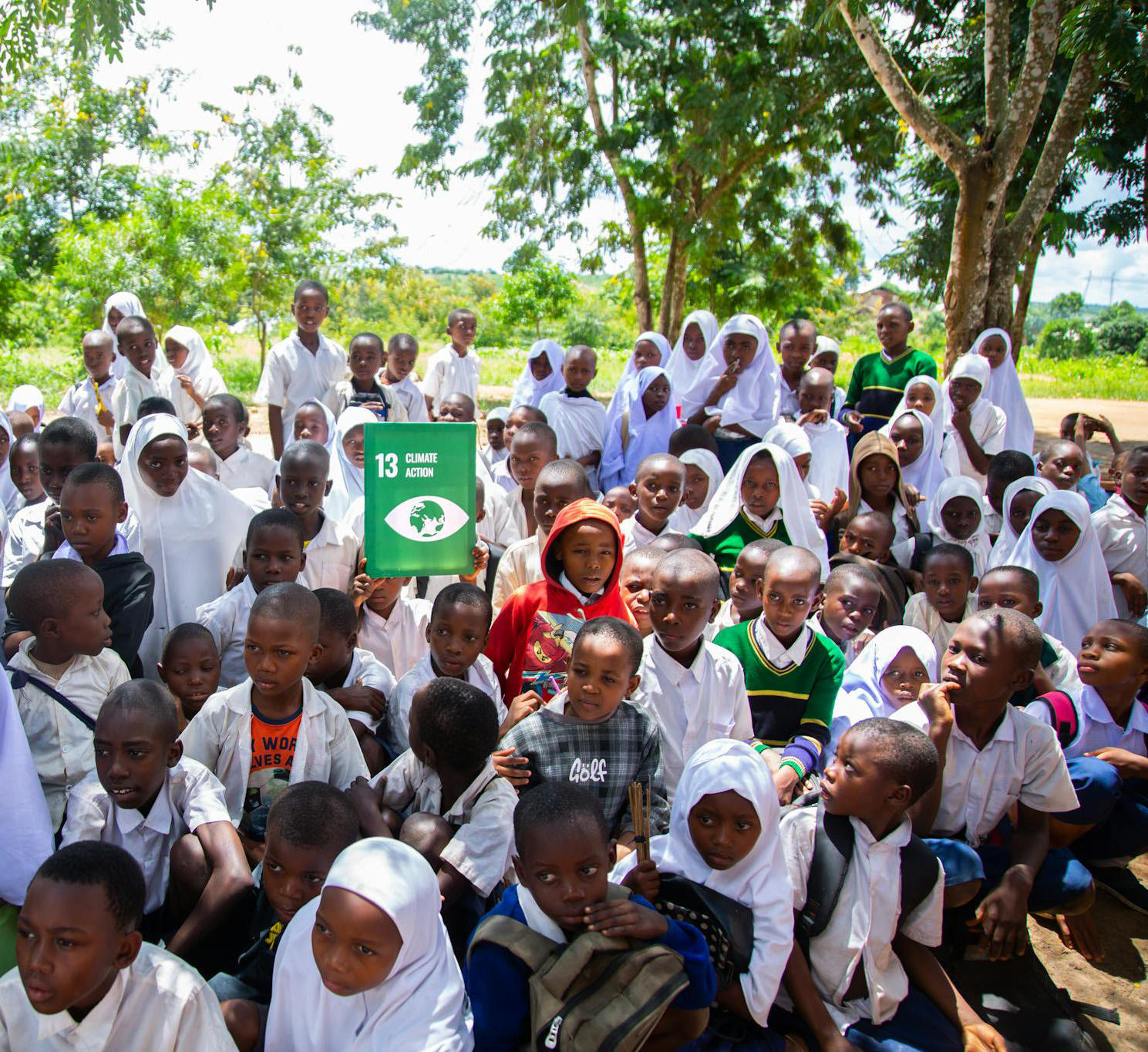
Scholarships to children from low-income families
For more than 10 years TANED has been given scholarships to low-income families living close to protected areas, to enable their children go to school at different levels. So far TANED has granted almost 50 students from kindergarten, through primary and secondary schools up to college levels. Many of these children are currently employed in different companies and governmental organizations.
The role of wildlife education in Conservation Biology
Knowledge of nature has been shown to be important in the conservation of large animals. A TANED person investigated how a project focusing on biology, ecosystems, ecology, biodiversity and endangered species such as the African wild dog, can influence attitudes on local primary school students in Loliondo and Ngorongoro districts, Tanzania. We found that through this school project the students learned and gained knowledge about nature, how the food web and ecosystem interact and how predators are crucial for the balance and regulation of the ecosystem. Their attitudes and knowledge changed during a four-day training. It is crucial to have biology conservation education as early as possible in school!
The role of education in biodiversity conservation: can knowledge and understanding alter locals’ views and attitudes towards ecosystem services?
Climate change, human population growth and land use change are among the important threats to nature and ecosystem services and thus may fundamentally affect human well-being. TANED tested whether human knowledge, views and attitudes towards ecosystem services and biodiversity changed due to a secondary school education project in the Ngorongoro District, Tanzania, Knowledge, attitudes, and conservation views changed during the education project. An increased proportion of respondents were identifying ecosystem services after a four day education program. The increased awareness of ecosystem services gathered from education programs suggests that education programs is an important part in conservation biology. Therefore, such education programs dealing with threats to ecosystem services and biodiversity should be included in school curricula especially for students close to protected areas in Africa to gain knowledge about their surroundings and the important functions.
Kwa project
Building sustainable schools and educating youth in Tanzania.
Scholarships to children from low-income families
For more than 10 years TANED has been given scholarships to low-income families living close to protected areas, to enable their children go to school at different levels. So far TANED has granted almost 50 students from kindergarten, through primary and secondary schools up to college levels. Many of these children are currently employed in different companies and governmental organizations.
The role of wildlife education in Conservation Biology
Knowledge of nature has been shown to be important in the conservation of large animals. A TANED person investigated how a project focusing on biology, ecosystems, ecology, biodiversity and endangered species such as the African wild dog, can influence attitudes on local primary school students in Loliondo and Ngorongoro districts, Tanzania. We found that through this school project the students learned and gained knowledge about nature, how the food web and ecosystem interact and how predators are crucial for the balance and regulation of the ecosystem. Their attitudes and knowledge changed during a four-day training. It is crucial to have biology conservation education as early as possible in school!
The role of education in biodiversity conservation: can knowledge and understanding alter locals’ views and attitudes towards ecosystem services?
Climate change, human population growth and land use change are among the important threats to nature and ecosystem services and thus may fundamentally affect human well-being. TANED tested whether human knowledge, views and attitudes towards ecosystem services and biodiversity changed due to a secondary school education project in the Ngorongoro District, Tanzania, Knowledge, attitudes, and conservation views changed during the education project. An increased proportion of respondents were identifying ecosystem services after a four day education program. The increased awareness of ecosystem services gathered from education programs suggests that education programs is an important part in conservation biology. Therefore, such education programs dealing with threats to ecosystem services and biodiversity should be included in school curricula especially for students close to protected areas in Africa to gain knowledge about their surroundings and the important functions.
Kwa project
Building sustainable schools and educating youth in Tanzania.