Taned started with AfricanBioServices

AfricanBioServices logo
Teaching Kids and Communities about Conservation

A successful project involving many institutions funded by EU

The European Union funded AfricanBioServices linking biodiversity, ecosystem functions and services in the Great Serengeti-Mara Ecosystem (GSME) - drivers of change, causalities and sustainable management strategies
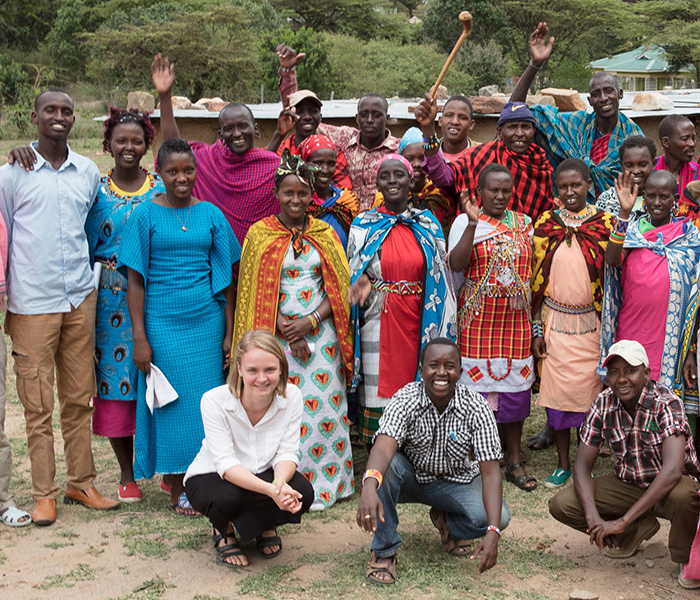
A group of people connected to AfricanBioServices
Teaching Kids and Communities about Conservation

A successful project involving many institutions funded by EU

The European Union funded AfricanBioServices linking biodiversity, ecosystem functions and services in the Great Serengeti-Mara Ecosystem (GSME) - drivers of change, causalities and sustainable management strategies

Drivers and Recommendations
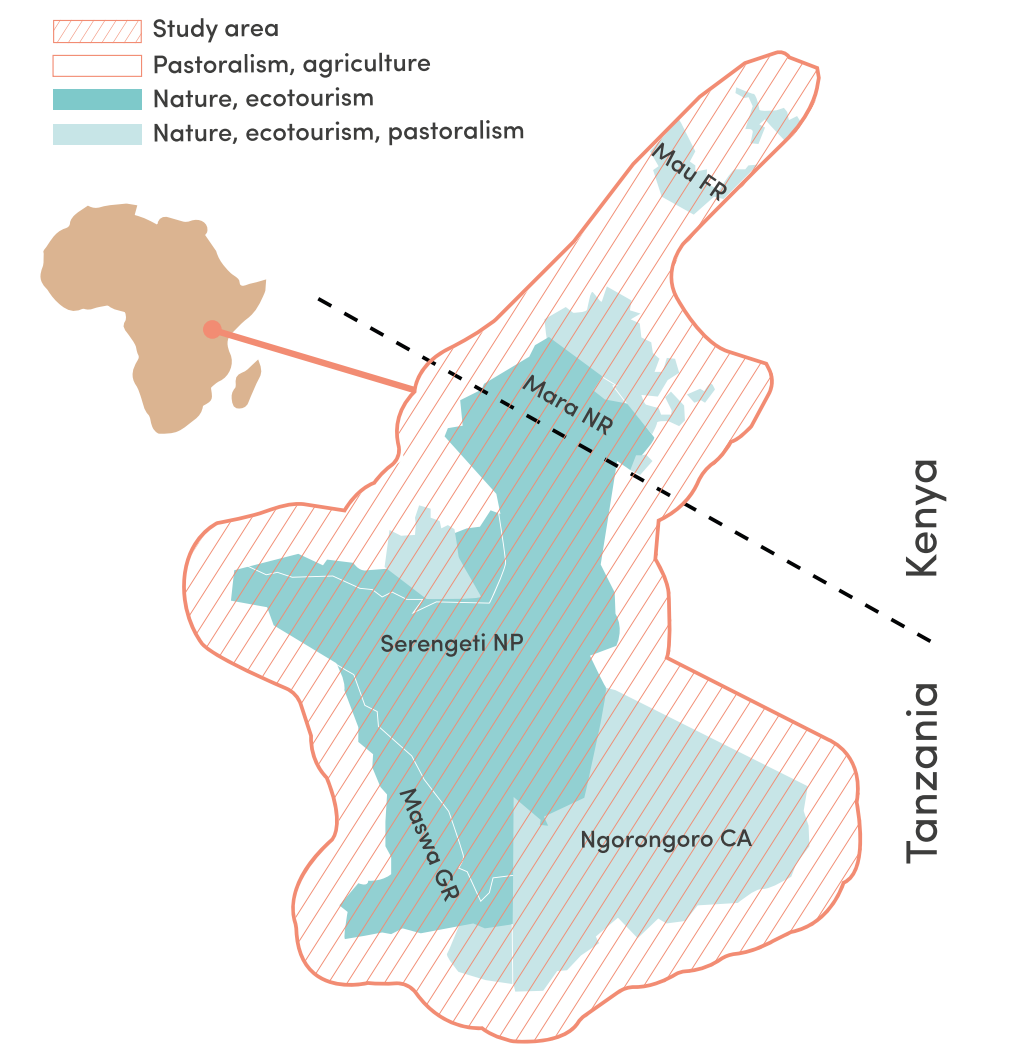
  • Encourage communities towards sustainable income activities (chicken farming, fish production, eco-tourism)
  • Increase education to engage people into labour force and business activities
  • Increase knowledge related to conservation and disease recognition
  • Increase involvement in tourist activities to reduce pressure on land and use of livestock
  • Make it easier for communities to benefit from wildlife and other natural resources (attitude change)
  • Reduce pressure on tall trees to stimulate plant growth and soil quality (and resilience)
  • Reduce pressure on forest products by developing cheap and alternative energy sources (cooking equipment and solar power)
  • Develop cheap water treatment equipment
  • Assist in developing sustainable land use plans
Drivers and Recommendations animation

Tools we have developed

‘Savanna Life’ Board game

AfricanBioServices Professor Bente Jessen Graae at the Norwegian University of Science and Technology (NTNU)is one of the creators of the Savanna Life board game. Here she is explaining how the game works.

Savanna Life is a board game developed by a team of researchers from NTNU and the University of Copenhagen.

More information about Savanna Life

’Serengeti animal tracker’ mobile app

A team of University of Glasgow students, led by research fellow and AfricanBioServices participant, Dr Grant Hopcraft and research associate Dr Thomas Morrison developed an app that help users act like researchers and locate different animals in the Serengeti region.

The app was created in close collaboration with the Tanzania Wildlife Research Institute (TAWIRI). Serengeti Animal Tracker is free to download and available on both Google Play and the App Store.
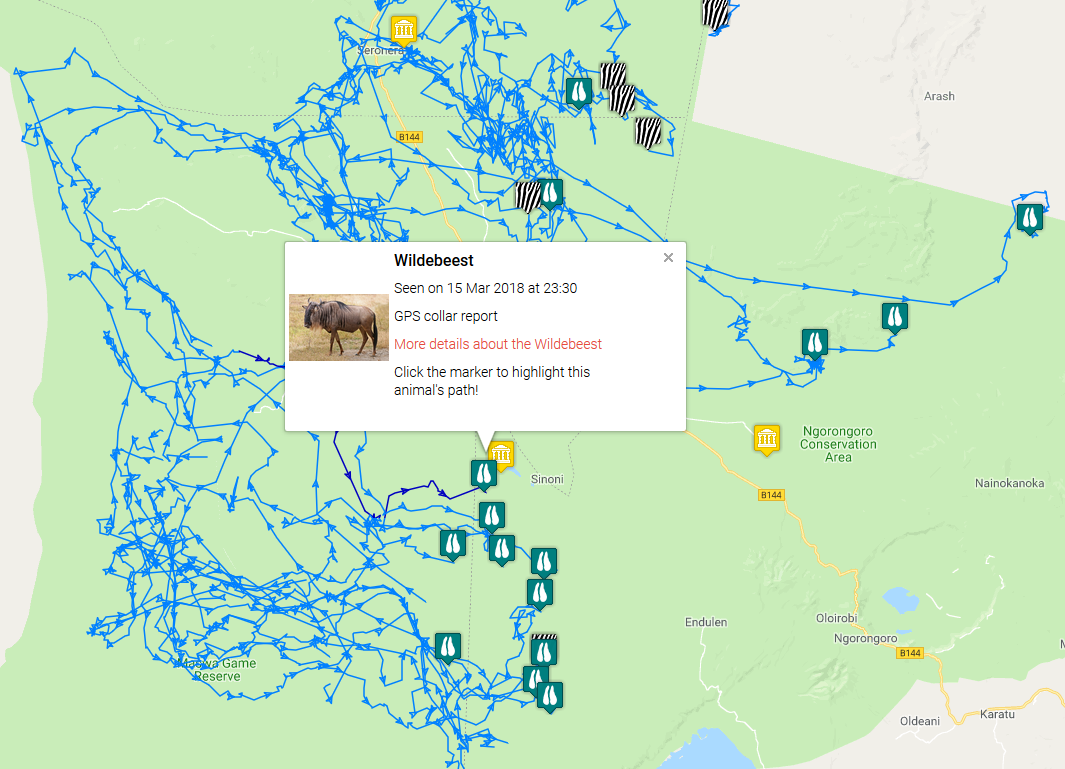
Animal tracker screenshot

‘Serengeti ServiceScape’ app for management strategies

The Serengeti ServiceScape app is a web-based management and modeling tool developed by the AfricanBioServices project. It is designed to help park managers and conservationists explore alternative future scenarios and visualize the consequences of different management strategies on the Greater Serengeti-Mara Ecosystem.

Core Management Strategies Modeled

The app uses a spatial Knowledge-driven Bayesian Belief Network to forecast how various decisions will impact the local social-ecological systems:

Ecosystem Services: Assesses trade-offs in water provision, grazing areas, and ecosystem sustainability.
Biodiversity Conservation: Predicts how land-use changes and conservation interventions impact wildlife.
Human-Wildlife Conflict: Models the socioeconomic costs and benefits of wildlife for local human populations.
Tourism Viability: Evaluates the economic implications of tourism management, such as the regulation of safari traffic.

How the App Works

Future Scenarios: Users can interactively explore five development scenarios, including: Business As Usual, Green Haven, Downward Spiral, Local Communities, and Globalization.
Data Integration: It combines GIS (Geographic Information Systems) to visualize the spatial distribution of ecosystem services across the landscape.
Interactive Exploration: You can test "what-if" scenarios (e.g., changes in burning policies or infrastructure development) and instantly see the resultant consequences.
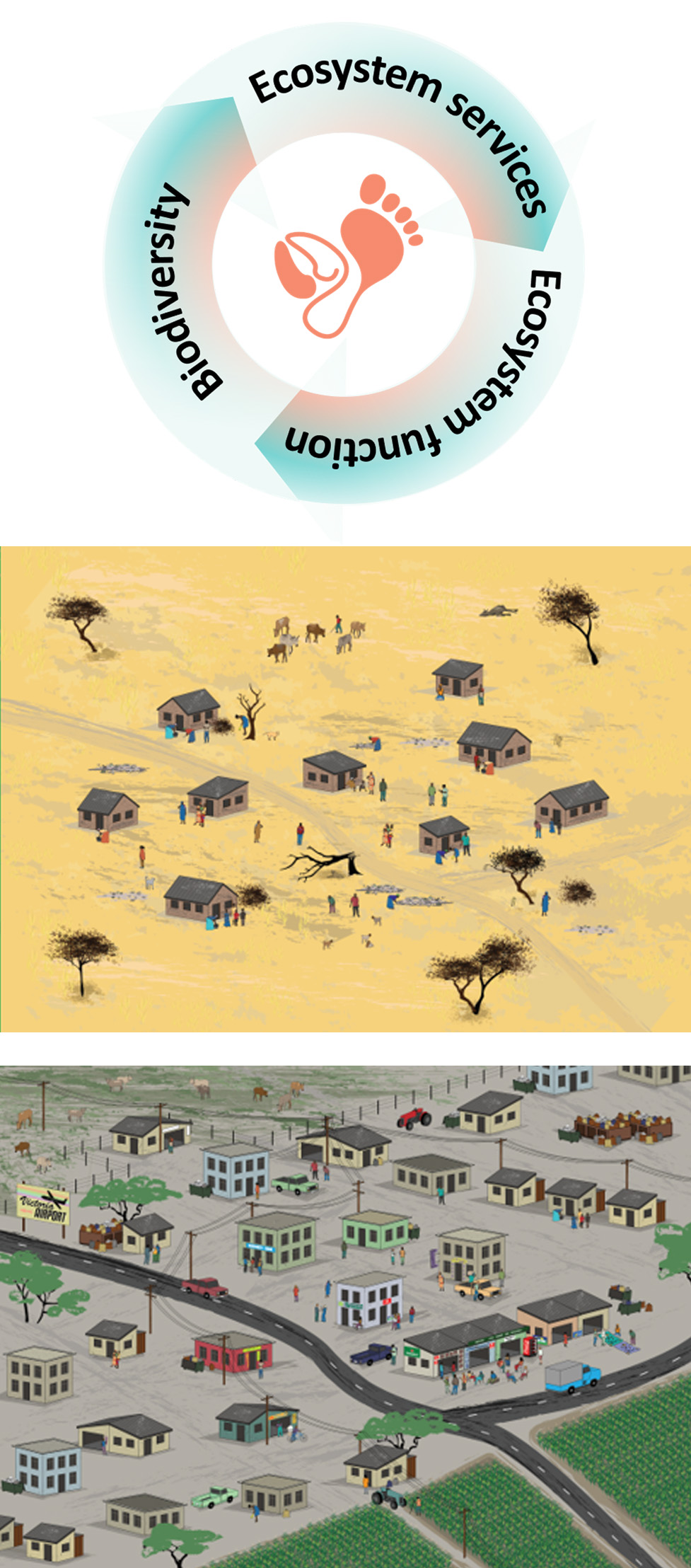
Collage with the Serengeti ServiceScape app

What drives change in the Serengeti-Mara Ecosystem?

Drivers for change animation

How the drivers change ecosystem services, biodiversity, and human well being?
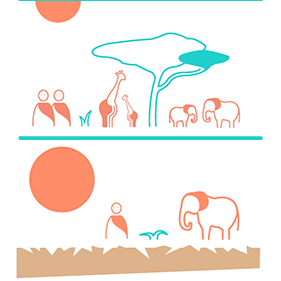
Climate change animation
Climate change
Climate change represents a major threat to global biodiversity, and in the Serengeti-Mara Ecosystem it is apparent as increased variability and irregularity of rainfall.
Human Popultation Growth icon
Human Population Growth
The African continent harbours the fastest growing human population in the world, and the pressure on natural resources in the Serengeti-Mara Ecosystem is constantly increasing.
Landuse Change logo
Landuse Change
Agricultural and industrial development is modifying the way different areas are utilized, and in the Serengeti-Mara Ecosystem the natural landscape is changing quickly.